Quality Fortress
No amount of care or effort is enough to ship bug-free software, but you can always get closer. Then the question becomes how much effort to allocate to prevention vs. mitigation. Fight Club explains this well:
Cost allocation to preventing bugs ~= Cost of bugs in prod * probability of occurrance
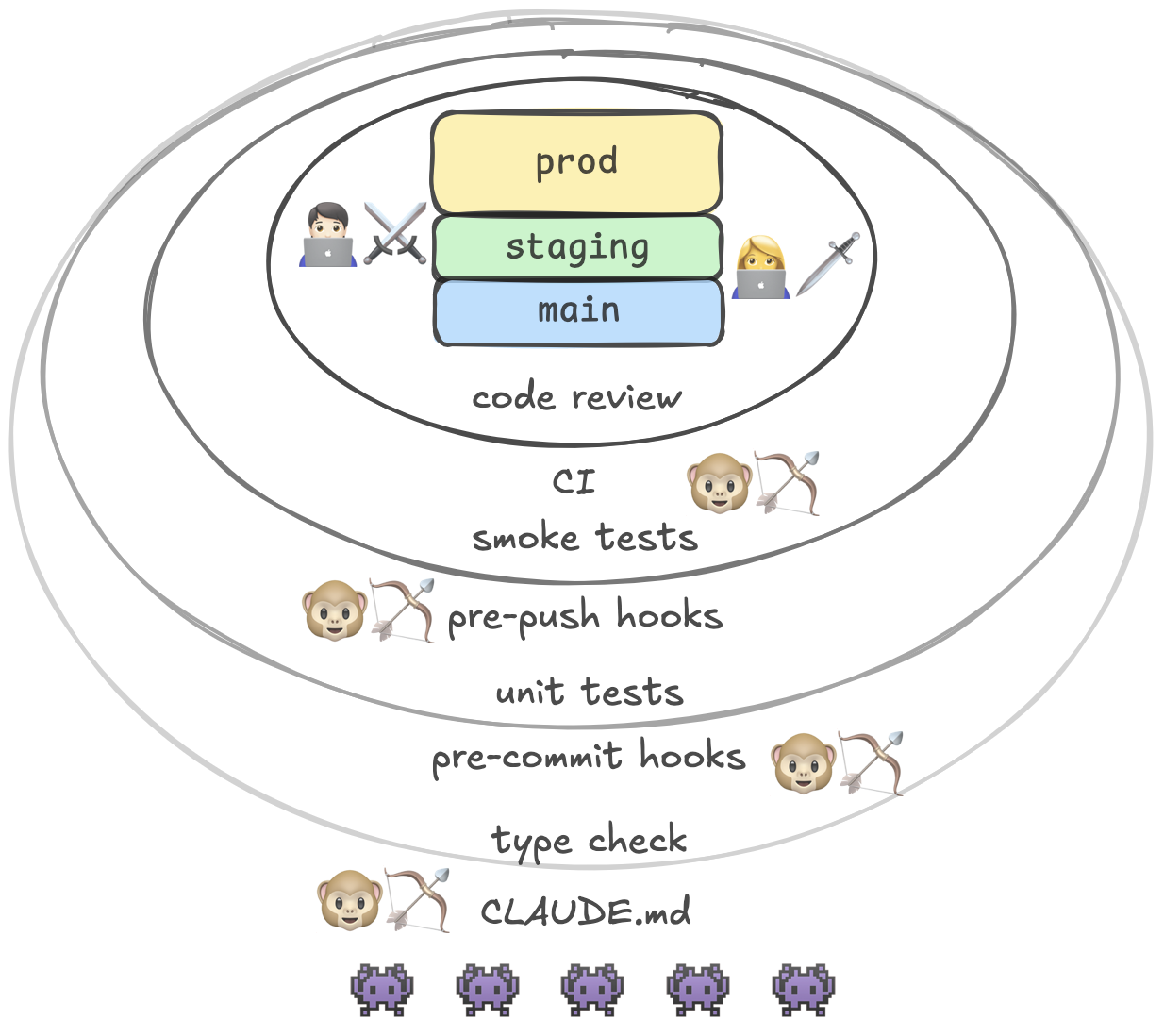
The engineer’s default answer to this formula is tests: unit tests, integration tests, e2e tests. But tests are only one layer of defense against bugs. As the cost of writing tests goes down, we can afford to add more layers.
I like to think of tests and type checks as static layers of defense. Deterministic layers that you set up once and forget about.
 |
|---|
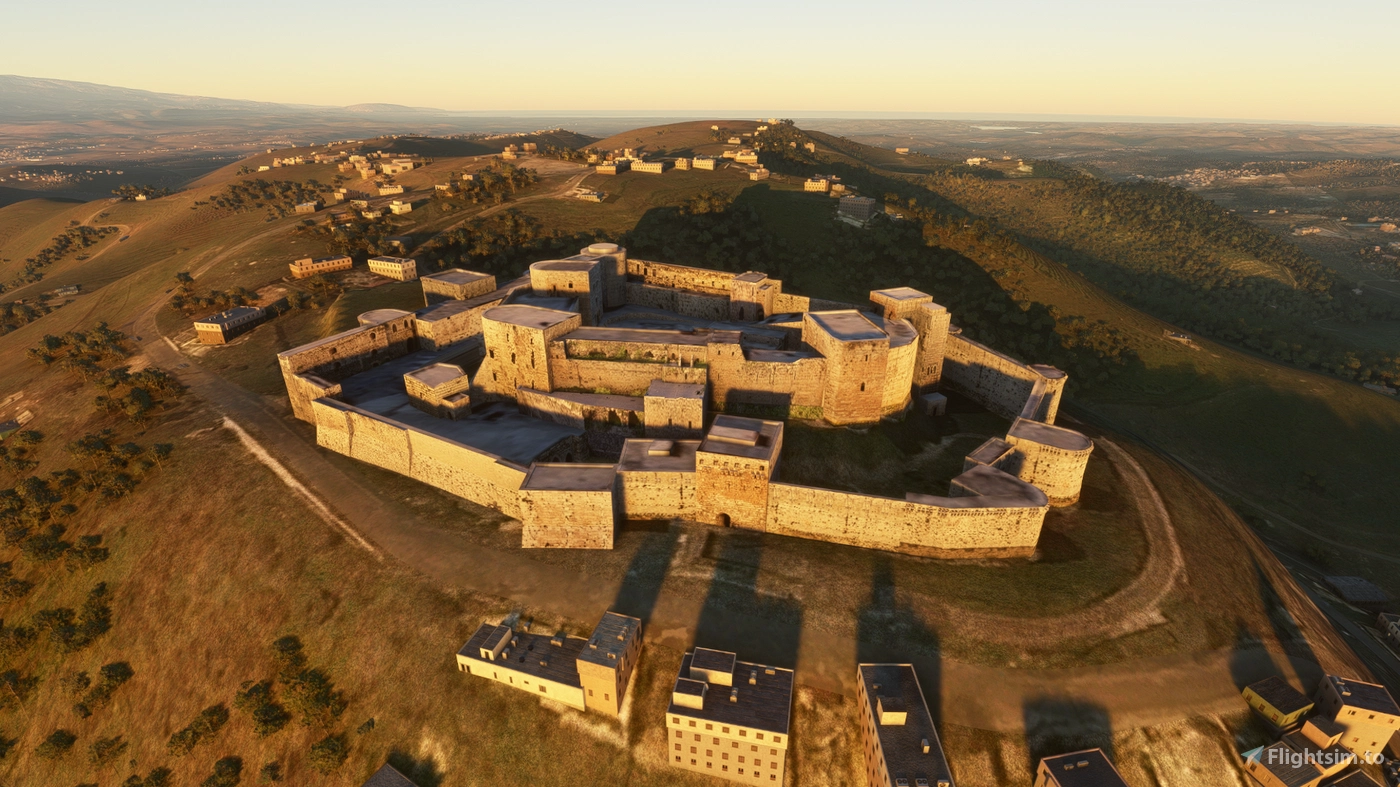
| Krak des Chevalier, 11th century Syria |
With Claude and agents, we can automate parts that were relegated to human code reviews, too. These are semi-active layers that used to be assigned to QA interns. I like to think of these as Bloons TD monkeys that i set up and watch them defend.
As the cost of defense goes down, we should ramp up the layers of defense and their intensity.
$ Hey Claude, take a look at git history since last year and find hotfixes and mistakes we made. I want to prevent those mistakes from happening again. Can you suggest CLAUDE.md updates, skills, pre-commit hooks, pre-push hooks, and tests in CI? See also if you can make agents run conditionally on parts of our codebase that cannot be deterministically checked for such mistakes. Verify each suggestion by simulating the mistakes and making sure that the checks catch those. Implement ones that are obvious improvements, make a PR with a clear motivation.